Together for a Greener Tomorrow – Let’s Reduce, Reuse, Recycle.
The Vantage Waste Processor
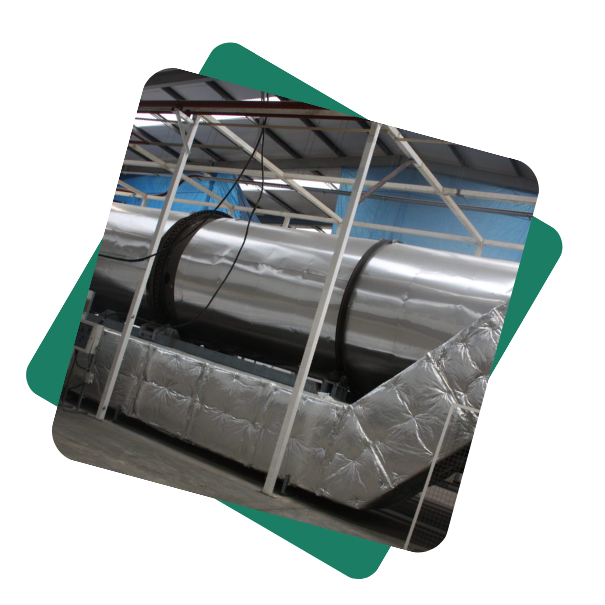
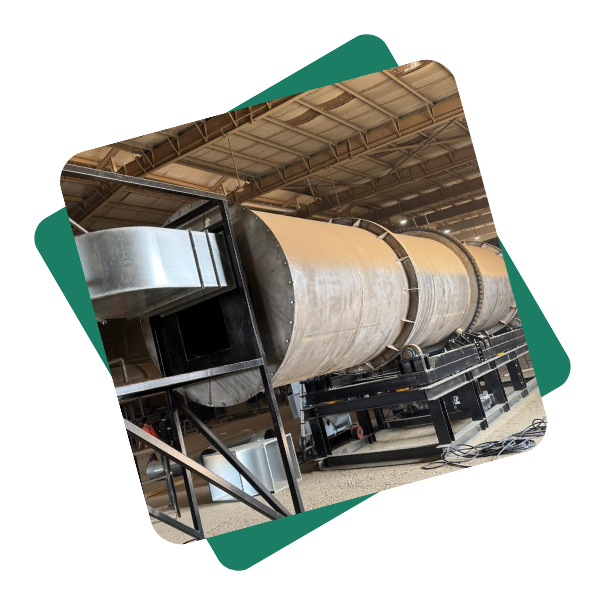
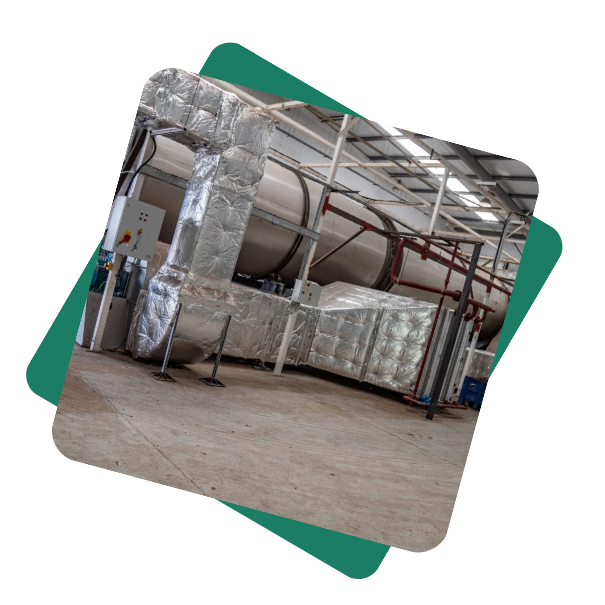
The Vantage Waste Processor (VWP)is a cylindrical apparatus approximately, 16m long and 2.7m in diameter, designed for continuous operation, enabling processing of upto 15 tonnes of waste per hour. This modular and scalable apparatus can process up to 90K tonnes of agricultural residues / MSW per annum per unit. The total system consists of: VWP Waste Processor, Shredder- suitable for wet waste application, Steam Boiler, Steam Condenser and Heat exchange unit, Discharge and Transfer Conveyors, Storage tanks and Computerized Control System Optional equipment can be added to produce more products.
VWP Process and Solution

Cardboard, paper, food waste, agri waste etc

Removes noxious odour and produces sanitised output

Output option can be chosen

Soil enhancer
Briquettes / Pellets

Bio-Ethanol / Bio-Chemicals
- No toxic emission
- No incineration
- No CO2 emission
- Zero carbon emission
- No pressurisation
- No landfill
- No residue
- Odour free
- No harmful bacteria
- No prions
- CO2 neutral fuel
- High grade soil improver
- Green, sanitized pellets
- High yield ethanol
Soil Improver
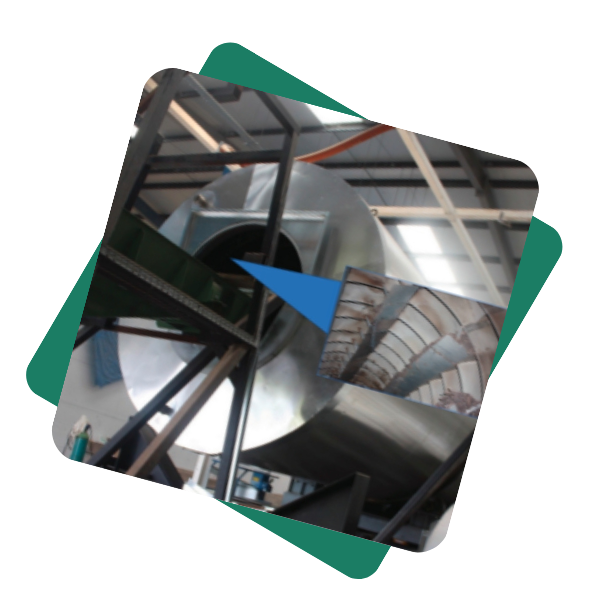
Organic waste such as agricultural waste, household food waste and cardboard is shredded for uniformity in size and fed into the VWP. The VWP rotates once a minute, conveying the feedstock from one end of the cylinder to the other in a helical motion in an hour. In this duration, waste is treated with hot air at temperatures above 150°C.
The fibrous matter in organic waste becomes swollen at the molecular level by the heat treatment in VWP and this vital process opens up the Fibers of the waste, allowing greater efficiencies in further bio refining. The output is also totally Sanitized. Pasteurization of different liquids present in waste occurs at various temperatures, highest temperature being 140°C. For prion elimination, exposure to 121 -132°C heat for 60 minutes or 134°C for 18 minutes is required. In VWP, feedstock resides for minimum one hour and minimum operating temperature is 150°C. The combination of heat, time and turbulence eradicates all major pathogens, bacteria and prions identified by institutes around the World for regulation of commercial compost and soil improver.
Bio Ethanol Production
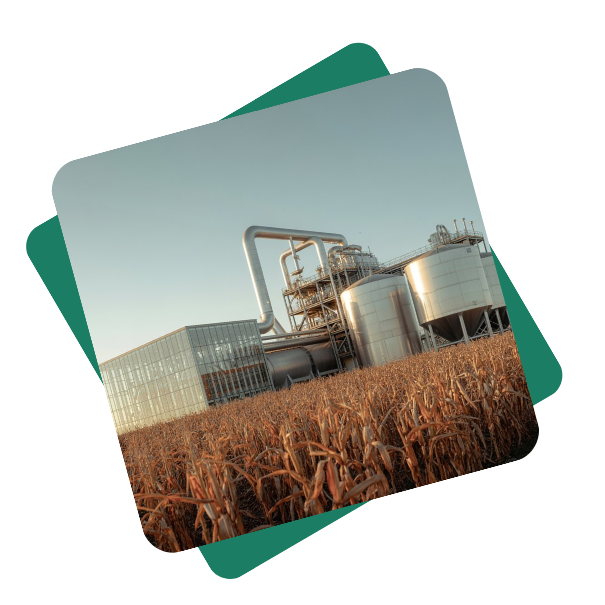
Production of alcohol and ethanol from organic waste involves a process of
fermentation.
Once organic waste passes through the VWP, cellulose materials which contain
sugars are freed from the lignin bond. Pre-treatment in VWP enables effective extraction of
sugars for maximum ethanol output.
Utilizing an enzyme based hydrolysis pre-treatment, polysaccharide sugars are converted to monosaccharides,which easily interact with yeast in the fermentation process. The alcohol produced from the subsequent fermentation is further distilled to produce Bio-Ethanol, suitable for blending with conventional transport fuels and power generation.
Environmental Considerations
The compelling business case for VWP waste processing centers on the many hundreds of thousands of acres of land, worldwide, which is blighted by landfill and the environmental damage that is caused to people, air quality and the land itself. There is an absolute necessity now to act now, firstly, to prevent the further growth of such sites and secondly to begin the process of reclaiming the valuable land by disposing of the mountains of waste with no further impact on the environment.

VWP Advantage
With the granting of global patents, on both the Process and Technology, this new concept in waste management, VWP, incorporating the greenest, cleanest technology and process available is clearly emerging. This is endorsed by Cranfield University and Coventry University in U.K., PERA and other institutes. In VWP process, at every step of the operation, full consideration is given to the environment. VWP process also offers the ability to produce useful end products like soil enhancer, industrial alcohol and other byproducts, thereby virtually achieving 100% recycling of waste, all at a low capital and operating cost. Hence, waste processing by VWP addresses these grave concerns and contributes positively to greater environmental care. Zero landfill, Zero incineration
Over the last three decades, there is increasing global concern over the public health impacts attributed to environmental pollution. Improper management of solid waste is one of the main causes of environment pollution and degradation in many areas of the world. Landfill sites, apart from being unsightly, have become source of infectious diseases and increasing toxicity, with potential for effluent leaching and pollution of the water table. Incinerators cause emission of various potentially dangerous gases into the atmosphere and leaves toxic bottom ash to be landfilled. These forms of disposal and handling of waste, thus, leads to environmental degradation and destruction of the ecosystem and poses great risks to public health. VWP technology and process recycles waste without the vast pollution caused by incineration. It neither emits harmful emissions into the environment nor leaves residual waste for landfilling.
Technical Specifications
The Vantage Waste Processor is a cylindrical apparatus, 16m long and 2.7m in diameter.
The entire VWP system comprises of the following:
- VWP Waste Processor
- Shredder, suitable for wet waste application
- Steam boiler, Steam condenser and Heat Exchange unit
- Discharge and transfer conveyors, storage tanks
- Computerized control system.
- Optional equipment may be added to the system to produce additional products.
Designed for continuous operation, this modular and scalable apparatus can process up to 15 tonnes of waste per hour or up to 90,000 tonnes of Waste per annum. Moreover, the process enables 50% reduction in volume of waste by shrinkage of materials and moisture reduction, which is vital requirement to reclaiming landfill sites.
Global Patents
The parent company, VWP Waste Processing Technology Limited is operating a waste processing plant in Bournemouth, Dorset, UK and owns global worldwide patents.
It has obtained Worldwide Patents for:
-
The Technology – for Apparatus and Method for treating waste material
International PCT application number PCT/GB2009/000276 -
The Process – for Recycling of waste material
International PCT application number PCT/GB2007/002920
Patents were successfully awarded for both the Process and Technology in the following countries and regions:
- India
- Europe: 13 countries
- African Region (ARIPO): 22 countries
- Asia: Turkey, Australia, China and the Philippines
- Canada
VWP Endorsements
Independent studies validate the VWP technology and process:
Universities of Cranfield and Coventry, UK and PERA have studied and analysed the
results of this technology. The studies outline the effectiveness of VWP in waste
treatment and converting waste into useful end products like soil enhancer,
bioethanol, pellets, briquettes etc.

The key observations from these independent studies are summarized below:
“Given that VWP process demonstrated reduction in total solids, it could be considered in applications such as waste sterilization, soil fertilization and pellets production for heating purposes. Also, VWP treatment enhances the release of sugars from waste materials.”- Cranfield University Study funded by European Regional Development Authority (a unit of European Union)
“The principal conclusion from this study is that municipal solid waste from Vantage Waste Processor can be converted by a two-stage process involving hydrolysis and fermentation into ethanol. Furthermore, if the cellulose content of the MSW (municipal solid waste) is reasonably high (70% or greater), then the yield of ethanol generated is in excess of the 300L per tonne target.”- Conclusion from University of Coventry study
“We are confident from these trials, that with pre-treatment - by removing non-biomass contaminants, the Vantage Waste Processing system will be able to deliver in excess of 300 litres of ethanol per tonne of MSW. It is, therefore, our opinion that, assuming a sugar-to-ethanol conversion of 55%, acid hydrolysis of MSW, pre-treated using the Vantage Waste Processing System, can liberate sufficient sugars for fermentation to produce ethanol in excess of 300 liters per ton of MSW.”- Dr. Andrew West, Senior Chemist at Pera Innovation, a leading research & testing facility in the UK