Together for a Greener Tomorrow – Let’s Reduce, Reuse, Recycle.
Project Overview
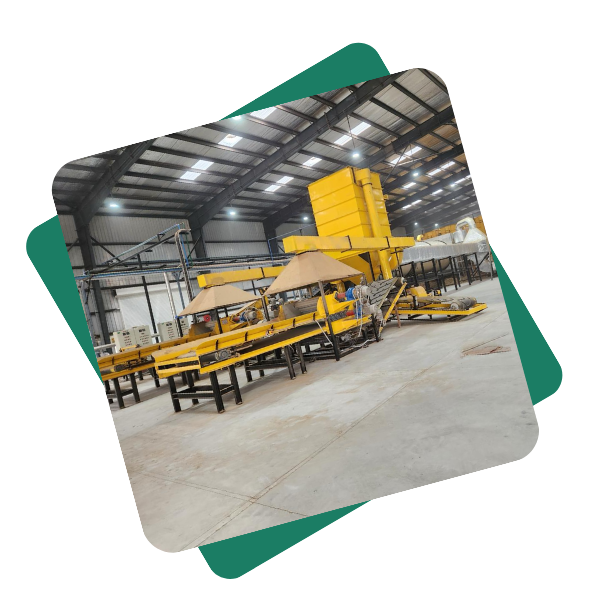
WRM has set up a plant in Village Bhikhi, District Mansa, Punjab, India, to process up to 90,000 tonnes of agricultural residue per unit per annum. The plant is set up in 75 acres of land including the storage area for agricultural residues like paddy straw, cotton stalks, mustard straw, etc. These agricultural residues are being processed in an environmental friendly method without any incineration or production of residual waste using the patented VWP technology with a capacity to produce ~75,000 tonnes per unit per annum of clean, green, high quality solid bio-fuel in the form of biomass pellets and briquettes which can be easily blended with coal or used as a standalone bio-fuel in industrial boilers and thermal power generation plants.
2 such units are currently operating in this facility and is preventing burning of paddy straw in ~90,000 acres of farmland. The plant addresses the problem of burning of paddy stubble after the harvest, which is one of the major causes for environmental pollution during winter months. The plant capacity can easily be enhanced to a total of 6 such units within the same facility with a total capacity to process ~540,000 tonnes of paddy straw to produce ~450,000 tonnes of high quality biomass pellets per annum.
Paddy Straw Processing
Each unit processes ~90,000 tonnes of paddy straw which produces ~75,000 tonnes of energy rich, highly sanitized biomass pellets; pellets produced are totally sanitized and odour free with moisture content less than 10%: 2 such units currently operating. First of its type in India; helping in meeting Government of India’s guidelines of blending biomass pellets with coal for thermal power production. Importantly, each unit saves ~ 45,000 acres of farmland from burning of agricultural residues (i.e. paddy straw).
WRM Plant
Plant Building
The plant is set up in 75 acres of land including the raw material storage area.
Agricultural residues like paddy straw, cotton stalks, mustard straw, rice husk,
sugar cane trash, etc. are processed in an environmentally friendly way.
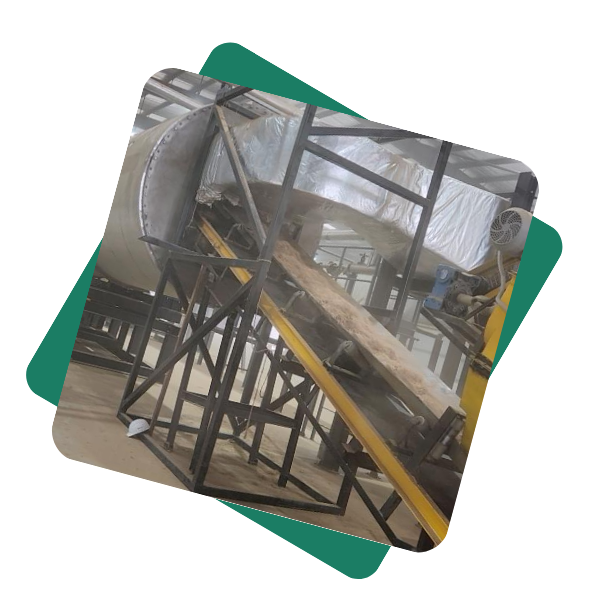
VWP Processor Installation
Importantly, there is no incineration or a residual waste stream in the entire
process. Entire waste is converted to useful end products. Highly sanitized biomass
is used to produce biomass pellets are produced which can be easily blended with coal or
used as a standalone solid biofuel.
Raw Materials
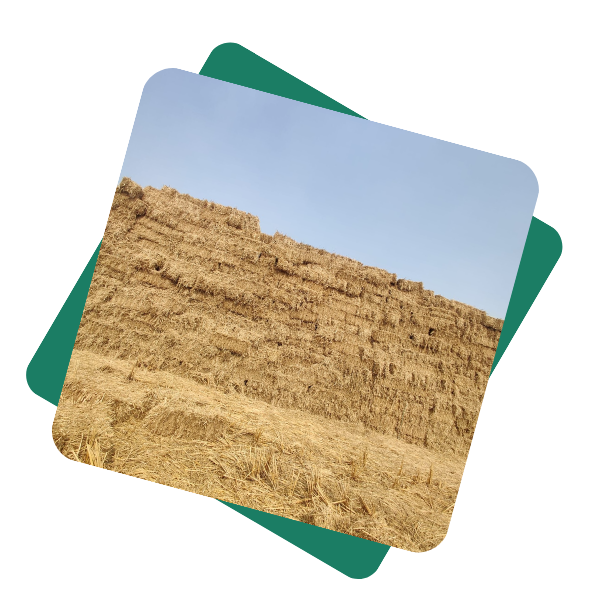
WRM sources its feedstock primarily from locally available agricultural residues. The major raw material is paddy straw, which is often burned in open fields post-harvest, contributing significantly to seasonal air pollution. In addition to paddy straw, the plant also utilizes cotton and mustard stalks, sugar cane trashes and rice husk. By collecting and repurposing these materials, WRM is addressing both environmental and agricultural waste management challenges in the region. The WRM plant is strategically located in the heart of an agrarian region of District Mansa in the state of Punjab that produces a significantly large volume of agricultural residues annually.
The primary raw material used at the plant is paddy straw, which is typically discarded and burned by farmers due to a lack of effective disposal solutions or economic value. This practice not only contributes to environmental degradation but also severely impacts air quality across Northern India, particularly during the winter months. By offering an economically viable alternative, WRM is helping in shifting this paradigm. Along with paddy straw, the plant also processes other surplus agricultural residues such as cotton and mustard stalks, sugar cane trashes and rice husk — all of which were traditionally underutilized.
Unique 4 Step Process
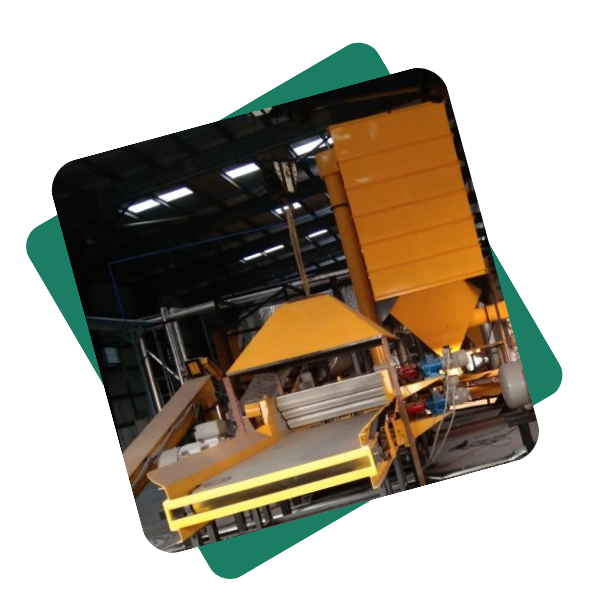
Central to the WRM Punjab project is the implementation of the globally patented VWP ( Vantage Waste Processing) technology — a revolutionary apparatus and process that turns agricultural waste into valuable biofuel without harming the environment. Unlike conventional biomass processing methods that may involve incineration or leaves behind unusable waste, the VWP technology is a zero-waste, non-incinerative continuous process.Installed in a sprawling 75 acre campus, the plant is equipped with automated material handling systems, moisture control units, and quality testing labs to ensure consistency and safety in every batch produced.
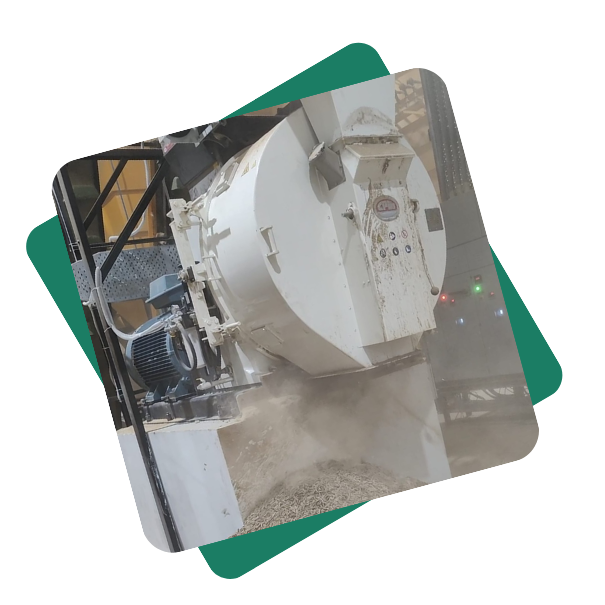
The unique 4 step process involves pre-treatment, size reduction, sanitization & drying, and densification of treated biomass to form energy-rich pellets and briquettes with less than 10% moisture content. This makes the product ideal for long-term storage, easy transport, and efficient combustion in thermal power plants and large industrial boilers. The technology also contributes to lowering greenhouse gas emissions by replacing coal and other fossil fuels, thereby aligning with India's broader climate goals.
Our Products
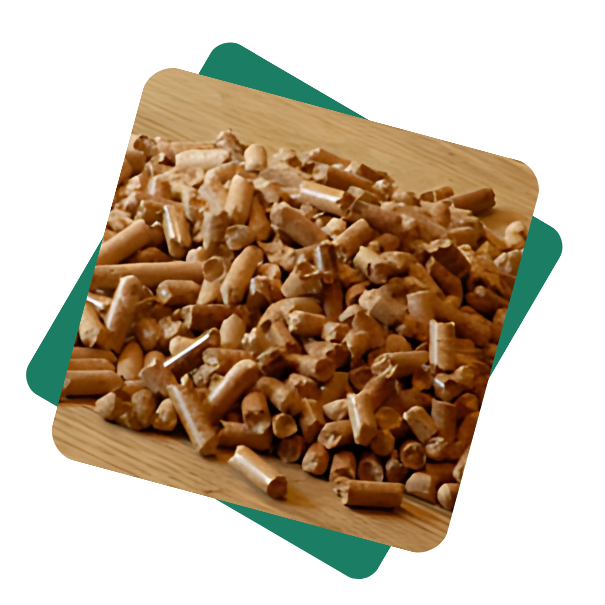
The WRM plant produces clean, green, high-quality, and odourless solid biofuel in the form of biomass pellets and briquettes. These products are highly sanitized, mechanically stable, and uniformly sized, ensuring optimal performance in thermal energy applications. The biomass fuel produced not only meets but exceeds the specifications laid out in the Government of India’s biomass co-firing guidelines for thermal power plants. These fuels are designed to reduce the dependency on coal and help industries transition to cleaner energy sources without making any major modifications in the plant and machinery.
Additionally, because these pellets are made from completely renewable agricultural waste, they have a significantly lower carbon footprint compared to conventional fossil fuels. The product is well-suited for use by thermal power plants, industrial units, and large-scale commercial heating systems. With increasing demand for cleaner alternatives in energy generation and industrial heating, WRM’s solid biofuels are poised to play a critical role in India's renewable energy ecosystem.

Our Clients
WRM’s selling strategy revolves around 4 main sectors:
| Segement | Target supply |
|---|---|
| Thermal Power Plants: | ~ 50% |
| Medium & Large Enterprises: | ~ 30% |
| Brick Kilns: | ~ 20% |
In line with this strategy, WRM’s ever growing client list consists of coal based thermal power plants (TPPs), medium & large industrial enterprises and brick kiln operators.
Large volumes of high quality biomass pellets are being regularly supplied to both Govt. owned and privately operated TPPs such as, NTPC (multiple locations), PSPCL, L&T, APCPL, etc. Biomass pellets are also being supplied to the brick kiln operators based in Punjab as well as private industrial enterprises such as Thermax, IOL, Trident Group, Nestle, Nahar Paper Mills, Coca Cola, PepsiCo, Shahi Exports, etc., on a regular basis.
The demand for quality biomass pellets is increasing exponentially year on year. Govt. policies for green energy transition by curtailing fossil fuel usage across industries is fuelling this surge in demand. To meet this ever increasing demand of biomass pellets WRM is expanding its pellet manufacturing capacity at a rapid pace to part take in this green fuel transition.
Carbon Credits
WRM's is Punjab project has been successfully listed under VCS (Verra – Verified Carbon Standard) carbon credits program and is currently under verification stage. This program administered by Verra provides a framework for certifying Green House Gases (GHG) emission reduction and removal projects. VCS is a widely recognized standard that ensures carbon credits represent real, quantifiable reductions and removal of GHG emission.
Initial studies have estimated that about 75,000 credits are due for one year of operation of 1unit for replacing polluting fuel like coal with clean fuel, i.e., biomass pellets.

Expansion Plan
While the facility in Punjab was initially set up to process ~90,000 tonnes of agricultural residues annually, WRM has a clear and ambitious roadmap for scaling operations rapidly. The existing infrastructure has been designed for quick modular expansion, allowing the plant’s processing capacity to grow six-fold — up to 540,000 tonnes per year — as demand for biomass pellets increases and more raw material becomes available. This scale-up will not only significantly increase the volume of biofuel produced but will also multiply the environmental benefits. Phase 2 of this expansion plan has already been completed. The 2 units operating in Punjab can currently process ~180,000 tonnes of agricultural residues to produce quality biomass pellets. This further strengthens WRM’s commitment towards a green renewable energy ecosystem.
When operating at full capacity of 6 units, the plant is expected to eliminate the need for stubble burning across more than 270,000 acres of farmland, drastically reducing air pollution and associated health hazards in the region. The expansion will also contribute to job creation in the region, improved rural economies, and enhanced energy security. With strong support from local stakeholders, including farmers,State and Central Government bodies, and environmental agencies, WRM is well-positioned to replicate this model across other regions of India, making the state of Punjab the starting point of a broader, national green energy transition.