Together for a Greener Tomorrow – Let’s Reduce, Reuse, Recycle.
Our Products
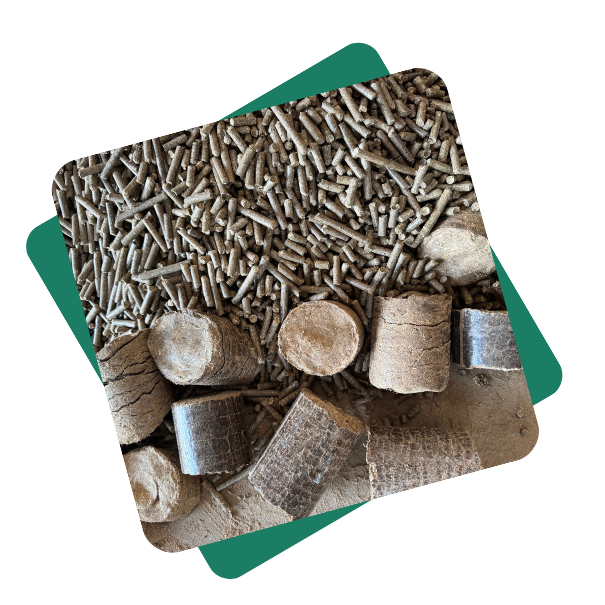
Biomass Pellets & Briquettes
As the VWP technology and process reduces the moisture content of waste and brings out a homogenous output, it is ideal for production of alternate fuels. Agricultural wastes such as paddy straw, cotton and mustard stalk, sugarcane trashes etc are processed in VWP for this purpose.The output bio-mass from VWP is further processed in requisite equipment for production of biomass pellets and briquettes.
The resultant fuel (pellets or briquettes) can be used as replacement for coal and can be blended with coal and used as fuel in thermal power stations. VWP produces pellets which are free of prions, impurities, has low ash and moisture content, long and consistent burning characteristics and GCV up to “4,000 Kcal/Kg”.
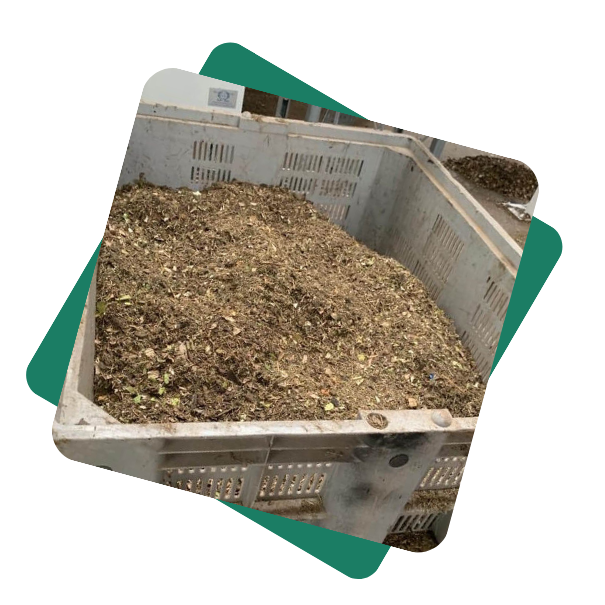
Soil Enhancer
In the VWP technology and process, the feedstock resides for minimum one hour and minimum operating temperature is 150˚C. The combinationof heat, time and turbulence of the feedstock eradicates all major pathogens, bacteria and prions identified by institutes around the World for regulation of commercial compost and soil improver.
Vantage Waste Processor homogenizes the entire waste into a uniform biomass. Heat, time and turbulence kick-starts the composting process and enables production of quality soil improver in a fraction of time the traditional Windrow composting takes. Up to 50% reduction in volume of waste is achieved and no residual waste is produced. This biomass can be readily used as nutrient rich soil enhancer and acts as a substitute to the chemical fertilizer.
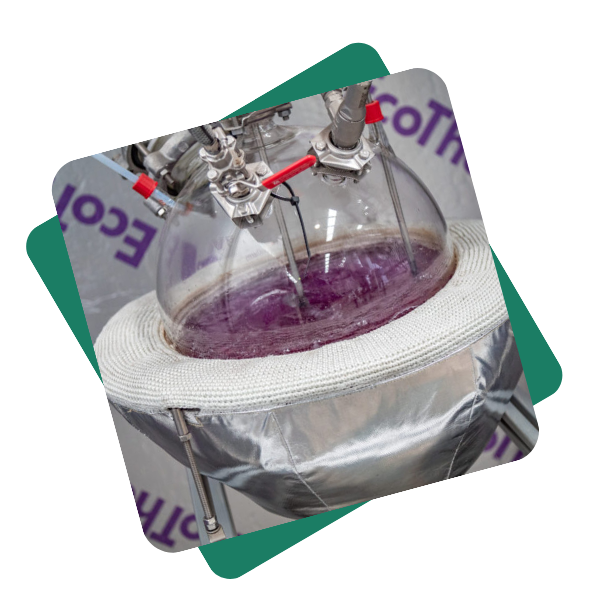
Bio Ethanol
Production of alcohol and ethanol from organic waste involves a process of fermentation. Studies have proven that VWP treatment of organic and food waste is the optimum method to extract maximum number of sugars. Once organic waste passes through VWP process, cellulose materials which contain sugars are freed from lignin bond due to steam injection at high temperature for an hour. Pre-treatment in VWP enables effective extraction of sugars for maximum ethanol output.
Utilizing an enzyme hydrolysis pre-treatment, polysaccharide sugars are converted to monosaccharides, which easily interact with yeast in the fermentation process. The alcohol produced from fermentation is further distilled to produce Bioethanol, suitable for blending with conventional transport fuels. Turbines/Alternators coupled with engines running on 100% Bioethanol can also be used for power generation instead of conventional fossil fuels. Bioethanol acts an effective green alternate to the fossil based fuels and saves part of the huge oil import bill and related petroleum products.
Solutions for a Greener Planet
Landfill Sites
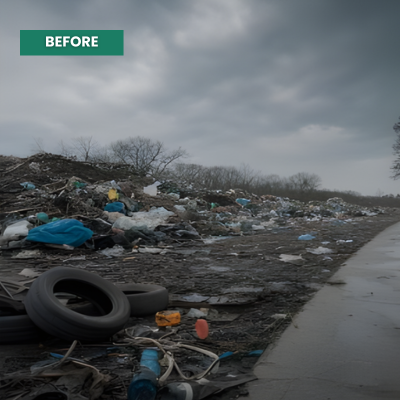
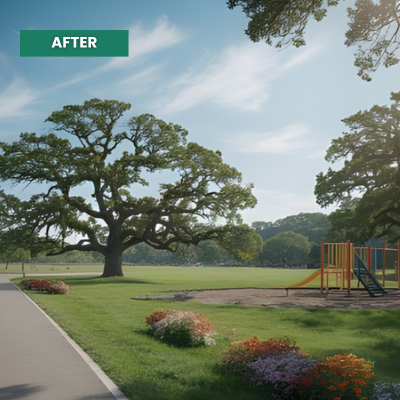
VWP can help greatly in clearing the existing landfill sites which are a big eyesore and source of various types of pollution and contamination besides spreading dreaded diseases. These landfills occupy large areas of scarce and expensive urban land and spoil the view and environment of the nearby areas.
Organic component of the landfill content can be processed through VWP to stabilize, sanitize and deodorize the waste. It is converted to soil enhancer which can be utilized to enrich the soil. Multiple units of VWP can be deployed depending on the size of the landfill site and the timelines. The land thus recovered can then be put into variety of alternate uses.
Wasteland/Desert Reclamation
The content of nutrients such as nitrogen and potassium latent within organic matter, are unaffected by the VWP process, rendering the output as an effective Soil Improver. The unique benefits of this technology are maintaining key properties of the organic material. The benefits of the VWP process are most required in the area of desert reclamation, where vast quantities of fertilizer and soil improver are currently being imported by those regions involved in this initiative. The VWP process would enable these areas to utilize their own organic wastes to supply significant quantities of soil improver thus reducing the quantity of imported goods. The soil enhancer would be of immense value in reclaiming the desert land and wasteland/degraded land. It also helps in adding to the soil nutrition of parks, lawns and landscaped areas. The whole process is highly environmental friendly.